What is Motion Smoothing and Why Should You Turn It Off?
Cinematic movie scene on a high-quality television

Motion smoothing is a TV feature that creates or blends extra frames so movement appears more fluid. Manufacturers use different names, including MotionFlow, TruMotion, Auto Motion Plus, and similar labels. It can help some live sports look clearer, but it often makes films and scripted shows look unnaturally like video—the effect many viewers call the … Read more
Understanding HDR10+ vs Dolby Vision: Does It Matter?

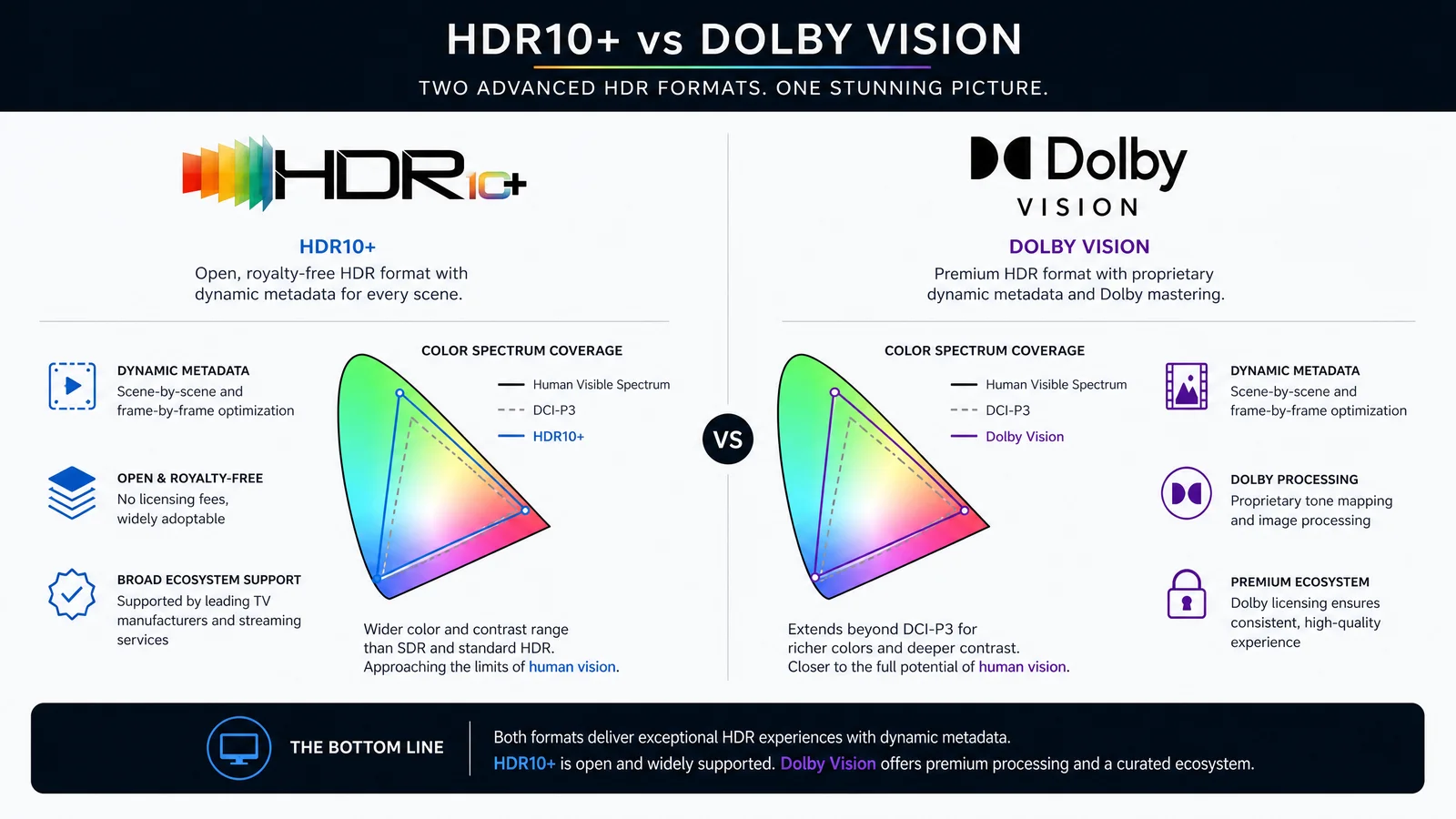
Technical illustration comparing HDR10+ and Dolby Vision specturms

HDR10+ and Dolby Vision both use dynamic metadata to help a compatible TV map HDR content to its own brightness and contrast capabilities. The practical question is not which logo sounds more advanced; it is whether your TV, source device, streaming service, and chosen title support the same format. Static HDR10 versus dynamic formats HDR10 … Read more

The Future of 8K TV: Is It Worth the Upgrade Yet?

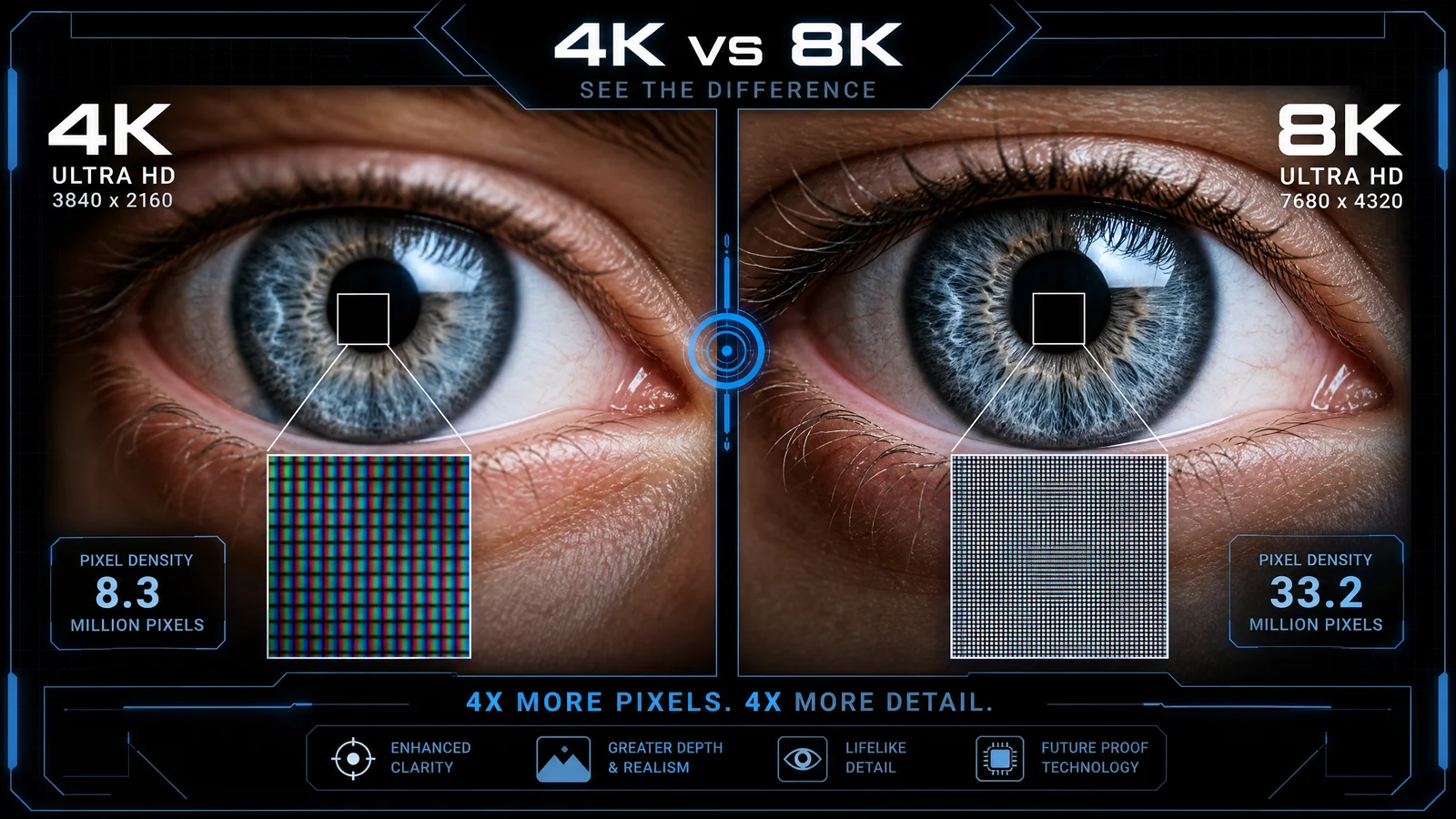
Visual comparison of pixel density between 4K and 8K resolution

8K TVs offer four times as many pixels as 4K, but resolution alone does not determine whether an upgrade is worthwhile. The answer depends on screen size, viewing distance, native 8K content, upscaling quality, HDMI requirements, price, and how long you expect to keep the television. The content problem Most everyday streaming and broadcast content … Read more

MicroLED vs Mini-LED: The Next Generation of Backlighting

MicroLED and Mini-LED are not interchangeable terms. Mini-LED is an LCD television with a much denser LED backlight, while MicroLED uses microscopic self-emissive LEDs so individual pixels can produce their own light. The distinction affects contrast, brightness, size, price, and availability. The backlight difference A Mini-LED TV still has an LCD layer. Thousands of smaller … Read more

OLED vs QLED: Which TV Technology Should You Choose in 2026?

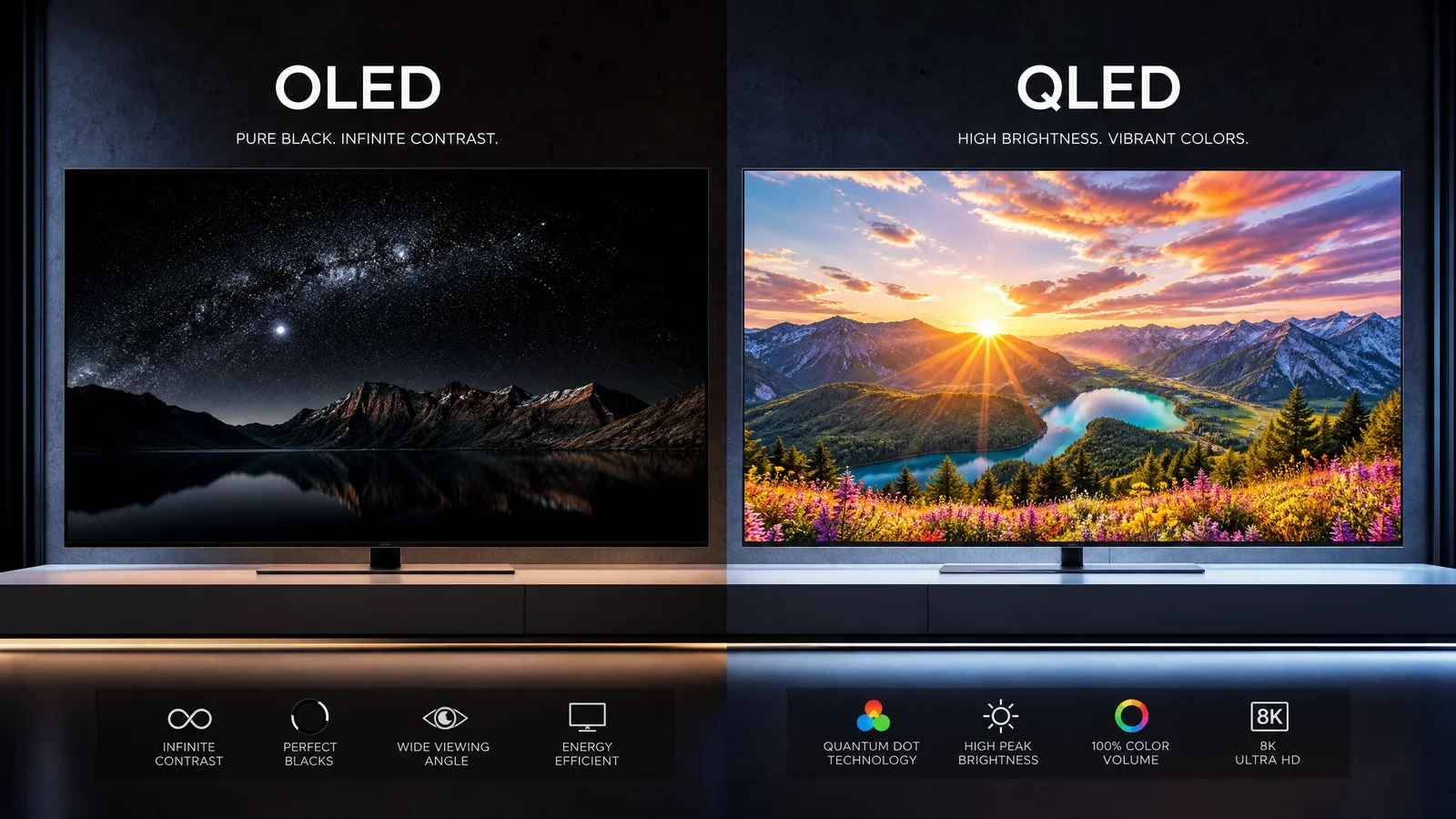
Professional comparison of OLED vs QLED TV technology showing contrast and color differences

OLED and QLED describe different parts of a television’s design. OLED uses self-emissive pixels that can turn off individually, while QLED is generally an LCD TV that uses a quantum-dot layer to improve color performance, usually alongside an LED backlight. The best choice depends on room lighting, viewing habits, gaming, size, and budget. Contrast and … Read more

What Is Local Dimming? LED Backlight Zones Explained

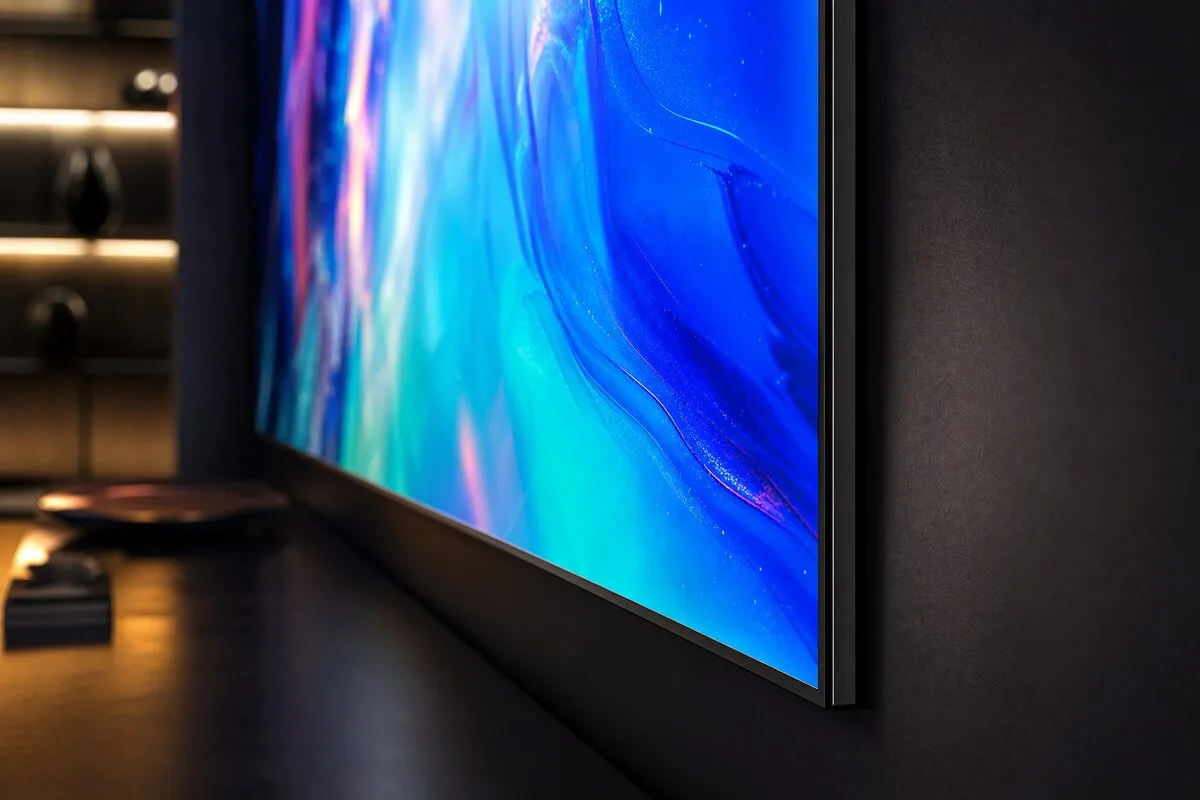
Ultra-thin OLED TV displaying a colorful screen close-up

What Is Local Dimming on a TV? (FALD Explained) SmartTechTVs.com Local dimming is how LED/LCD TVs get deeper blacks and higher contrast than flat-backlit designs. Full-Array Local Dimming (FALD) divides the backlight into independently controlled zones so bright highlights and dark shadows can coexist on the same screen. How local dimming works: dimming zones explained … Read more

TV Refresh Rate Explained: 60Hz vs 120Hz vs 240Hz

Ultra-thin OLED TV displaying a colorful screen close-up

TV Refresh Rate Explained: 60Hz vs 120Hz vs 144Hz SmartTechTVs.com A TV’s refresh rate is a simple number that often causes a lot of confusion. This guide breaks down what refresh rates mean in practice, how they interact with content frame rates, and what actually matters when you’re choosing or configuring a TV in 2026. … Read more

What Is ALLM? Auto Low Latency Mode Explained

Ultra-thin OLED TV displaying a colorful screen close-up

What Is ALLM? Auto Low Latency Mode Explained for Gamers Short intro: Auto Low Latency Mode (ALLM) is one of the HDMI features that actually matters to real-world gaming. It lets your console or PC tell the TV to switch instantly into the lowest-latency picture settings so you get faster button-to-pixel response without fumbling through … Read more