Published by SmartTechTVs Editorial Team
Philips Ambilight adds rear-mounted lighting to selected Philips TVs so the colors around the screen echo the picture on display. The central question is not whether the LEDs make the panel brighter or sharper—they do not—but whether the wider, room-level light effect improves the way you watch.
What Ambilight Is
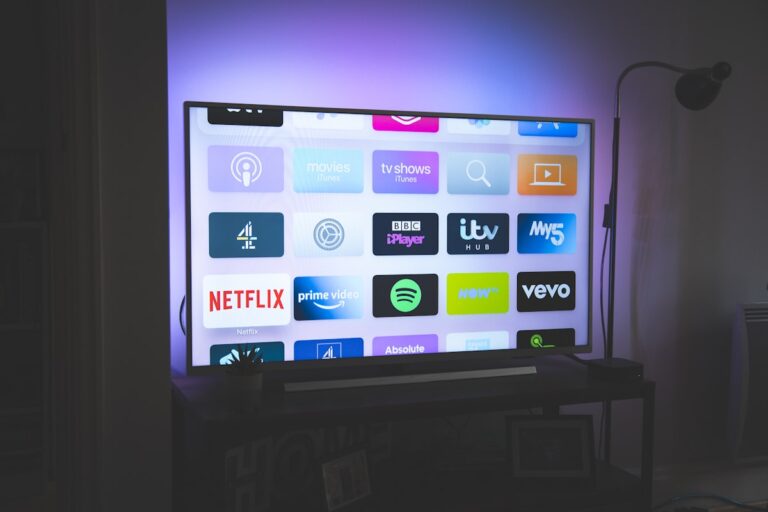
Ambilight is an integrated lighting system built into the back of a compatible Philips television. LEDs around the TV project colored light onto the wall behind it. The lighting is designed to extend the visual atmosphere beyond the physical frame instead of leaving the screen as the only bright object in the room.
How Ambilight Works
The TV analyzes the colors and brightness of the image it is displaying and uses that information to drive the rear LEDs. A scene with blue sky may produce a blue halo above the screen; warm firelight may create orange or red light near the corresponding edge. The effect follows the content rather than showing a fixed color, although the available modes and controls depend on the TV model.
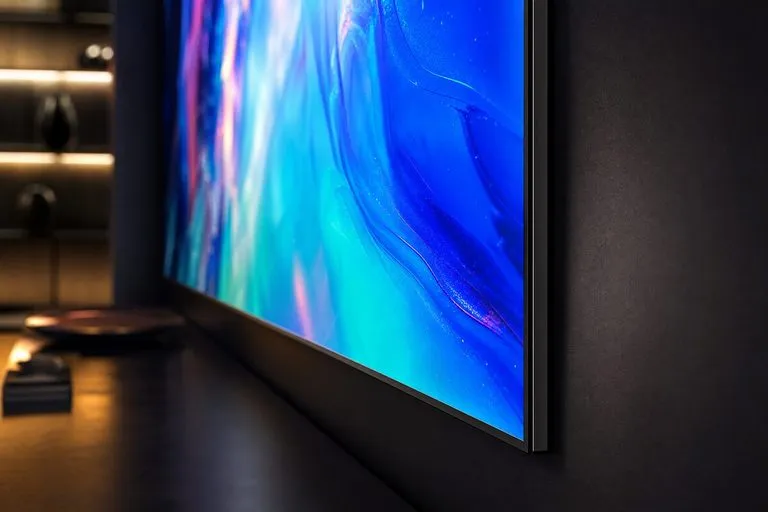
Placement matters. Ambilight is most convincing when the TV is close to a reasonably clear wall that can reflect the light. A large gap, a strongly colored wall, direct daylight, or furniture blocking the rear projection can make the effect less visible.
What the Lighting Adds to Viewing
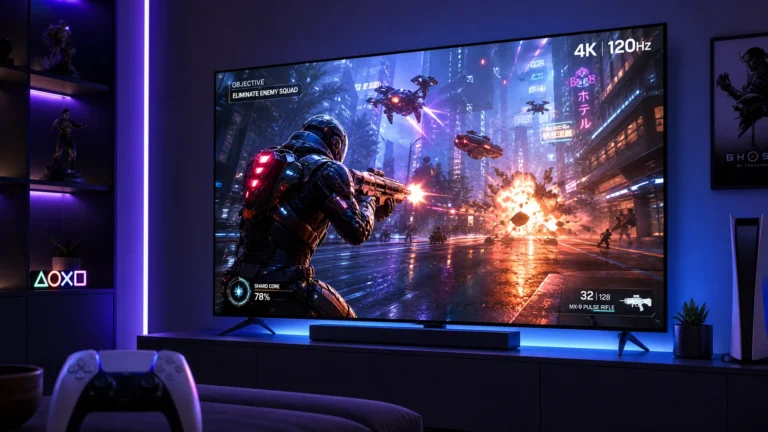
For films, games, sports, and colorful streaming content, the moving halo can make the viewing area feel larger and more cinematic. It also provides a form of bias lighting around the display, which can make the transition between a bright screen and a dark room feel less abrupt for some viewers.
The effect is atmospheric rather than a picture-quality upgrade. Ambilight does not change the TV panel’s resolution, black level, HDR capability, refresh rate, or color accuracy. Its value comes from the surrounding experience, not from additional detail inside the image.
Practical Benefits
- More immersive presentation: The reflected colors give the image a visual presence beyond the bezel.
- Useful room lighting: A low-intensity mode can provide gentle light behind the TV without turning on a bright ceiling lamp.
- No separate light strip installation: The LEDs are integrated into the television and react to its content.
- Adjustable experience: Viewers can normally change the intensity or select a less reactive mode, depending on the model.
Limitations to Consider
- It needs a suitable wall: The effect is weaker when there is no nearby neutral surface to reflect the light.
- It is not equally useful for every program: Minimalist scenes, static news panels, or mostly dark content may produce little visible movement.
- Some viewers find it distracting: Fast color changes can compete with the picture, especially when the intensity is set too high.
- It is tied to the TV: Built-in Ambilight is a Philips feature, so it is part of the purchasing decision rather than a universal setting that can be moved to any screen.
Ambilight Compared with a Normal TV Setup
A normal TV setup presents the image inside the screen and leaves the wall behind it mostly unchanged. With Ambilight, the wall becomes part of the presentation. A separate bias-lighting strip can create a similar background glow, but it may require installation and usually does not provide the same built-in, screen-synchronized behavior. The comparison is therefore about convenience and integration as much as visual effect.
Is Philips Ambilight Worth Paying For?
Ambilight is worth considering when you watch films or games in a room with a suitable wall, enjoy a more theatrical atmosphere, and want the lighting integrated into the TV. It is less compelling if you watch mainly in bright daylight, prefer a strictly neutral reference-style presentation, or are choosing between TVs where the Ambilight model would force a meaningful compromise in panel quality, size, sound, or price.
The sensible buying rule is to treat Ambilight as a comfort and immersion feature, not as a substitute for a good display. Choose the TV for its core picture and smart-TV capabilities first, then decide whether the integrated lighting justifies the remaining price difference.
Frequently Asked Questions
Does Ambilight improve picture quality?
No. It changes the lighting around the TV and does not increase resolution, contrast, HDR performance, or refresh rate. Any improvement is in the perceived atmosphere of the room.
Does Ambilight work best in a dark room?
Usually. A darker room makes the projected colors easier to see, while a nearby wall gives the light somewhere to reflect. It can still operate in daylight, but the halo may be less noticeable.
Can Ambilight be distracting?
Yes, depending on the content and the viewer. Lowering the intensity, choosing a calmer mode, or turning it off is useful when rapid color changes compete with the program.
Who benefits most from Ambilight?
It is best suited to viewers who value immersion, watch in a controlled room, and want integrated ambient lighting without installing a separate system. It is not essential for viewers focused only on panel performance.